The Life of Jia Xu — Not Winning, but Not Letting It End
From the Biography of Jia Xu in the official history Records of the Three Kingdoms, and Romance of the Three Kingdoms
There is a strategist named Jia Xu. Even among the Three Kingdoms, he is the owner of a somewhat unusual career. The lords he served were Dong Zhuo, Li Jue, Zhang Xiu, Cao Cao, and Cao Pi. Before the winner of the age was decided, he changed sides many times.
Read the Comic
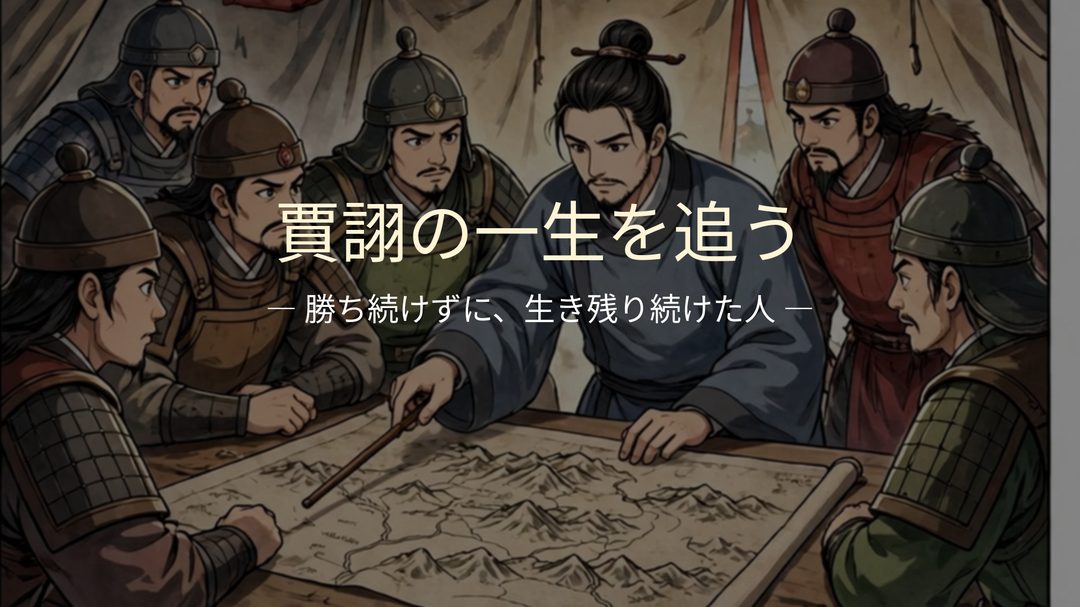
A Strategist Named Jia Xu
The Grandson of Duan Jiong
Attack Chang'an
The Side That Stops Conflict
To Zhang Xiu's Side
The Defeat at Wancheng
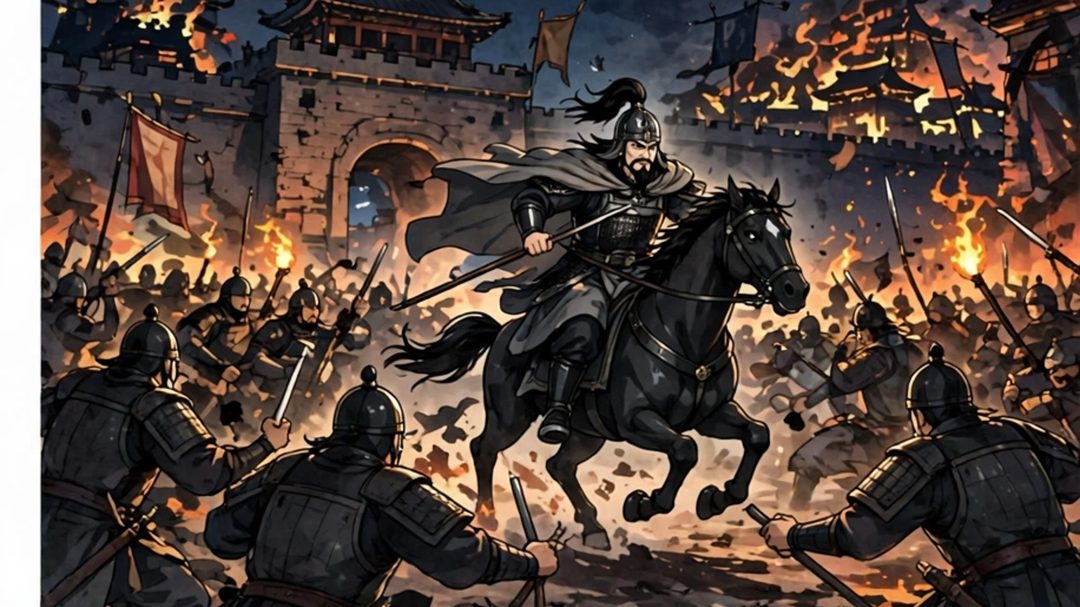
Do Not Pursue; Pursue
The Reasons for Surrendering to Cao Cao
The Four Grounds for Victory at Guandu
Only Drive a Wedge Between Them
The Succession and Silence
Closing the Gate
His Later Years, to Seventy-Seven
The Official History and the Romance
Conclusion
Read the Text
A Strategist Named Jia Xu
There is a strategist named Jia Xu. Even among the Three Kingdoms, he is the owner of a somewhat unusual career. The lords he served were Dong Zhuo, Li Jue, Zhang Xiu, Cao Cao, and Cao Pi. Before the winner of the age was decided, he changed sides many times. Many of those he served fell without taking the realm. Yet Jia Xu alone kept surviving.
In the end, he rose to Grand Commandant of Wei, and lived out his natural span to seventy-seven years of age. We will follow the life not of a man who kept winning, but of a man who kept surviving.
The Grandson of Duan Jiong
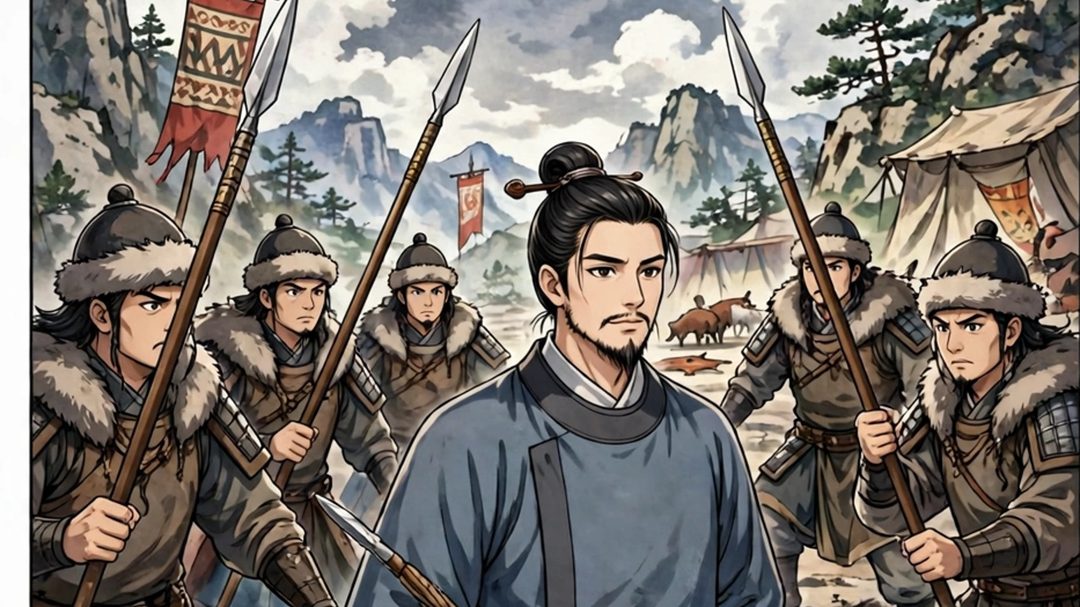
Jia Xu was born in Wuwei. In his youth he was an inconspicuous figure, and almost no one saw through his talent. Only a man of Hanyang named Yan Zhong is said to have appraised Jia Xu as having talent on a par with Zhang Liang and Chen Ping. The first time that talent appeared was not on a battlefield, but at the brink of life and death.
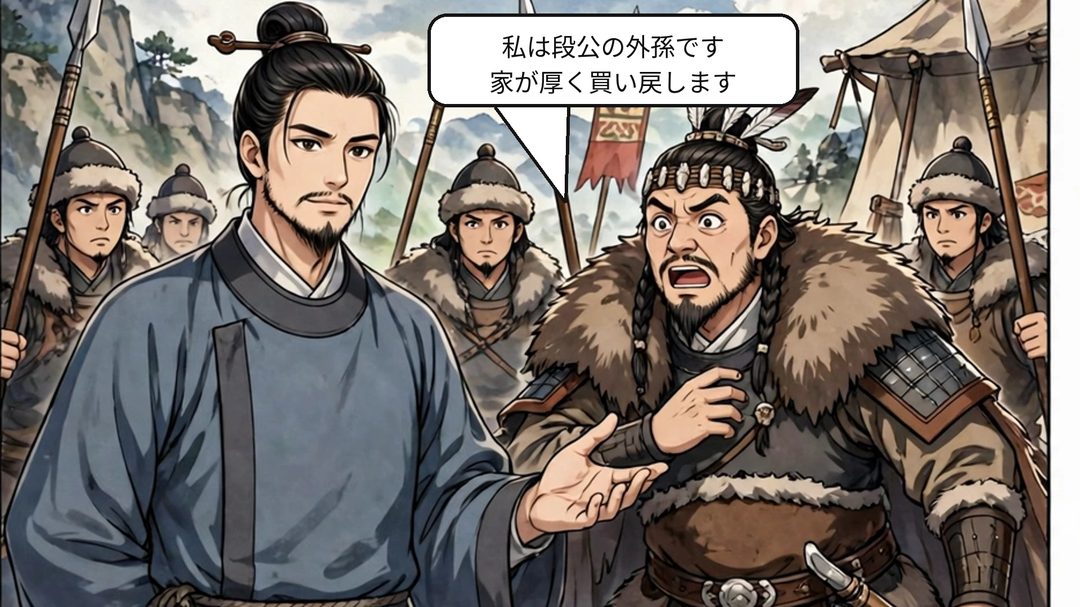
On his way back west after resigning his office, Jia Xu was captured by the Di people, who had rebelled. The several dozen people who accompanied him were all captured. Jia Xu said: I am the grandson, through a daughter, of Grand Commandant Duan Jiong.
Jia XuIf you bury me separately, my family will richly ransom me.
Duan Jiong had long served as a general of the frontier, and was a man feared in the western lands. That name stopped the Di people. The Di did not kill Jia Xu, and exchanged a pledge and sent him on his way. The people who accompanied him, on the other hand, all lost their lives. In truth, Jia Xu was not a relative of Duan Jiong.
That was an on-the-spot lie to keep his life connected. The official history writes so plainly. Resourcefulness of this kind appears many times in his life.
Attack Chang'an
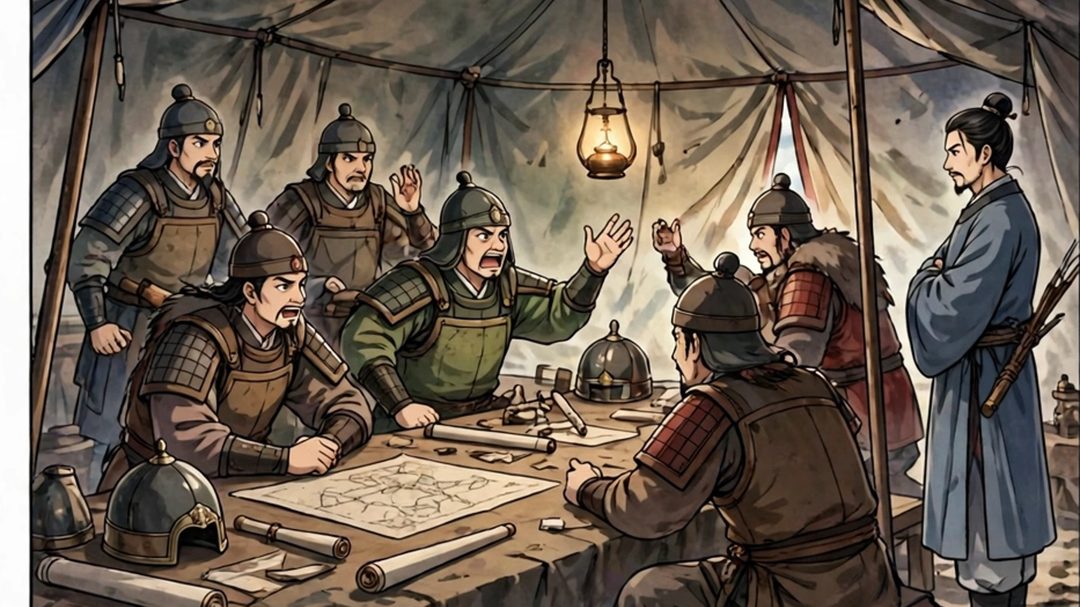
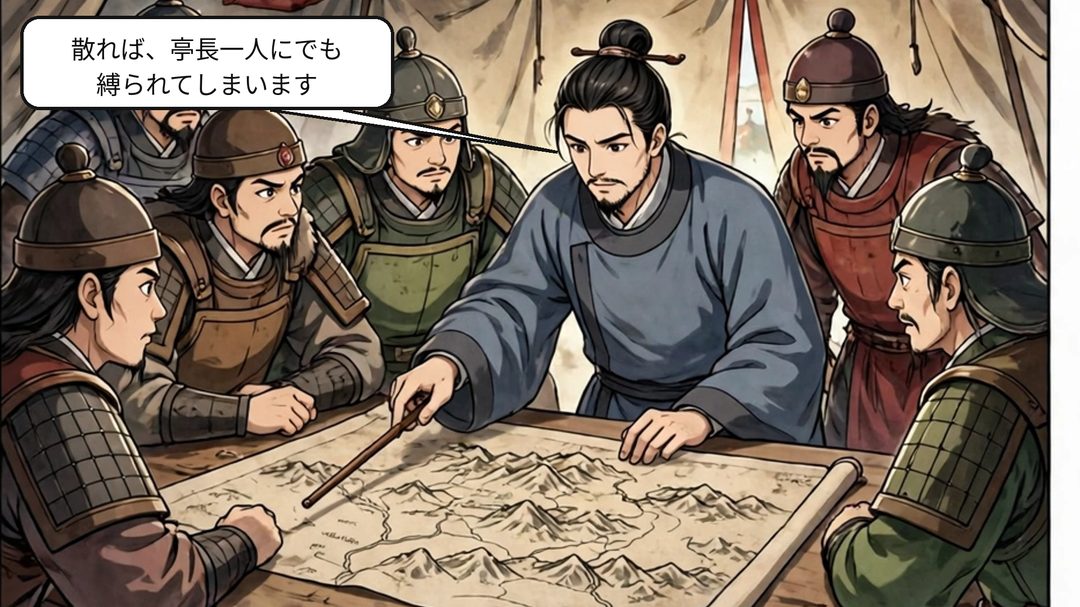
Jia Xu served Dong Zhuo, and was in the army of Niu Fu, Dong Zhuo's son-in-law. But Dong Zhuo was killed, and Niu Fu died as well. The generals who remained tried to disband their armies and each flee to his home region. They were Li Jue, Guo Si, Zhang Ji, and others. If they scattered like this, every one of them would be finished. So Jia Xu saw it.
Jia Xu said to the generals: In Chang'an, I hear, deliberations are under way to massacre all the men of Liangzhou. If you abandon the army and return alone, you could be tied up by even a single station chief. Rather, you should gather the soldiers, advance west, attack Chang'an, and avenge Lord Dong. If it goes well, you can support the Son of Heaven and aspire to the realm.
And even if it fails, it will not be too late to flee after that, he said. The deciding factor was these final words. The generals took this plan, gathered soldiers, and attacked and took Chang'an. The Liangzhou army, which should have ended with Dong Zhuo's death, took back the capital. However, the price of those words was great.
The rule of the Liangzhou army continued after that, and the disorder of the capital dragged on for a long time. Later commentators severely condemned this counsel. It is also the words that cast a heavy shadow over Jia Xu's name. Jia Xu himself does not seem to have considered this plan a merit. After the fighting, he refused the offer to enfeoff him as a marquis for his merit.
That was no more than a plan to save our lives. What merit is there in it? he said. He also declined the offer of position, saying his own name did not carry weight.
The Side That Stops Conflict
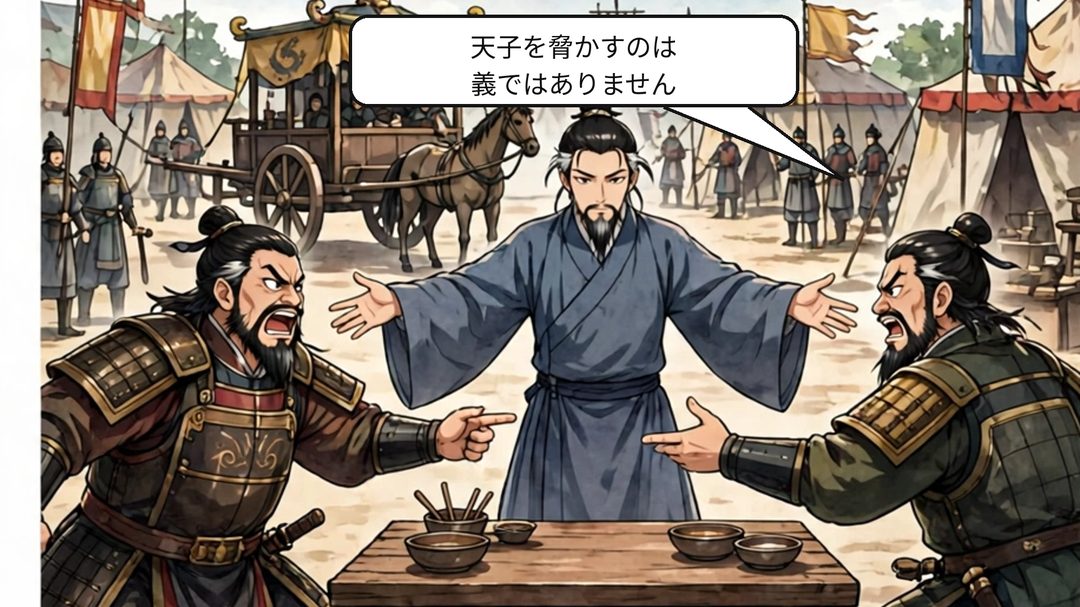
After that, Jia Xu moved to the side that stops conflict, rather than the side that spreads it. Each time Li Jue and Guo Si and the others contended, Jia Xu preached reason and remonstrated, and his words were often accepted. When Li Jue tried to keep the Son of Heaven in his own camp and threaten him, Jia Xu remonstrated as well. To threaten the Son of Heaven is not righteousness.
So the records quoted in the annotations relate. When Li Jue tried to bring outside soldiers into the capital, Jia Xu invited their leaders, treated them to wine and food, promised them enfeoffment and treasures, and had the soldiers return quietly. When ministers who followed the Son of Heaven were about to be killed, too, it was stopped by a single word from Jia Xu.
In time, when the Son of Heaven left Chang'an, Jia Xu returned his seal and ribbon and withdrew. He did not try to remain long at the center of power.
To Zhang Xiu's Side
The next place Jia Xu headed was the camp of Duan Wei, a general from his home region. Duan Wei welcomed Jia Xu warmly. But Jia Xu grew anxious instead. Duan Wei is deeply suspicious, and must be afraid that the well-known Jia Xu will take his army from him. The warmer the courtesy, the less he can be relied on for long. So he read it.
Around that time, Zhang Xiu of Nanyang invited Jia Xu, seeking a strategist. Jia Xu resolved to move. To those who worried, Jia Xu is said to have explained it this way: if I leave, Duan Wei will be glad, and, wishing to gain an ally outside, will treat my wife and children all the more warmly. Zhang Xiu has no chief strategist.
He needs me. Therefore both my person and my family will be protected, he said. In fact, it went exactly so. Zhang Xiu welcomed Jia Xu with the courtesy due to a son or a grandson, and Duan Wei treated the family left behind warmly.
The Defeat at Wancheng
Under Zhang Xiu, Jia Xu first advised surrendering to Cao Cao, and Zhang Xiu once followed it. But Cao Cao took in the widow of Zhang Ji, Zhang Xiu's uncle. Zhang Xiu resented this, and attacked Cao Cao in the night. This is the Battle of Wancheng. Caught by surprise, Cao Cao barely escaped with his life.
In this battle, Cao Cao lost his eldest son Cao Ang and his close attendant Dian Wei. Zhang Xiu had once clearly driven back the Cao Cao of the realm. However, the records do not relate that the arrangements for the attack itself were Jia Xu's proposal. Where Jia Xu's reading shines is in the scene that follows.
Do Not Pursue; Pursue
Cao Cao came to attack Zhang Xiu again. But hearing the situation in Xuchang, he suddenly turned his army back. Zhang Xiu tried to pursue. Jia Xu stopped him. You must not pursue. If you pursue, you will surely be defeated, he said. Zhang Xiu did not listen, and pursued together with Liu Biao. And as prophesied, he was repelled by Cao's rearguard and badly defeated.
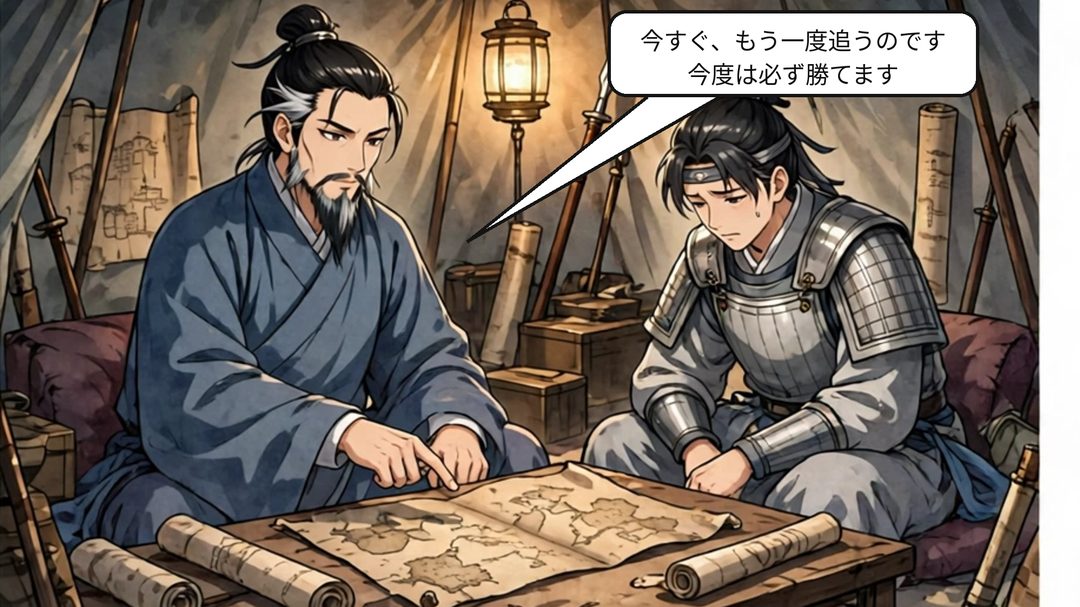
To the returned Zhang Xiu, Jia Xu now said this: ready the soldiers at once, and pursue once more.
Jia XuThis time, you will surely win.
Fresh from defeat, why could he pursue? Zhang Xiu was bewildered. Jia Xu's answer was that the momentum of soldiers changes, and that if they hurried, there would surely be gain. Zhang Xiu believed, gathered the remnants of his defeated soldiers, and pursued again. Then this time, he greatly broke Cao's army. Asked the reason, Jia Xu explained:
The first time, you were defeated because Cao Cao himself was holding the rearguard fast. But the reason Cao Cao withdrew while keeping his strength was that there were urgent circumstances at home. Once he has broken the pursuers once, he will hurry home at ease with a light detachment. The generals left behind, however brave, are no match for you, General.
That is why even defeated soldiers can win, he said. Even for the same pursuit, the answer becomes the exact opposite depending on the opponent's circumstances. That was Jia Xu's reading.
The Reasons for Surrendering to Cao Cao
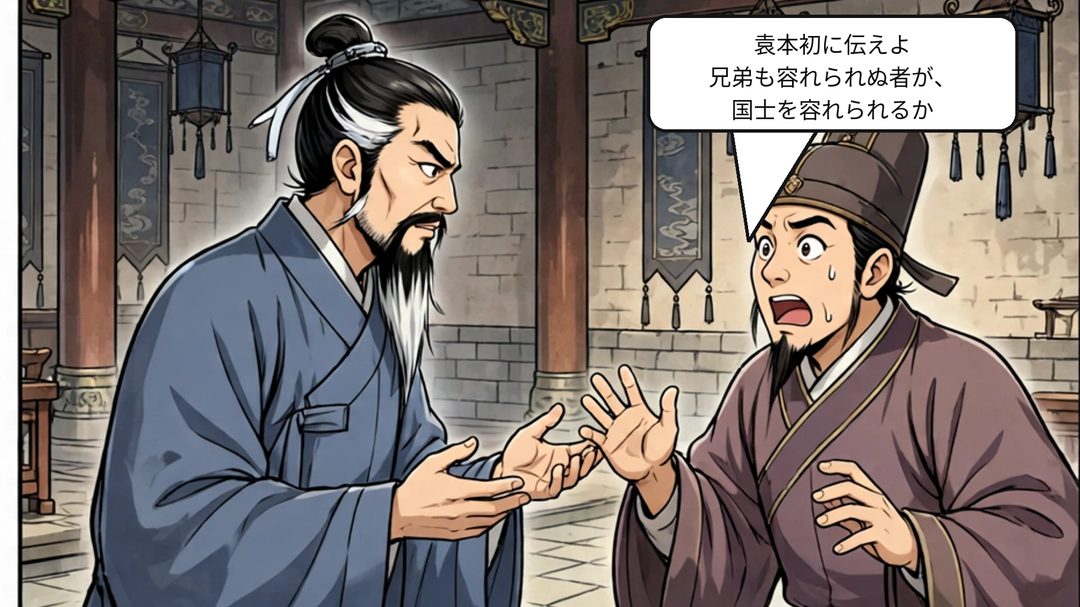
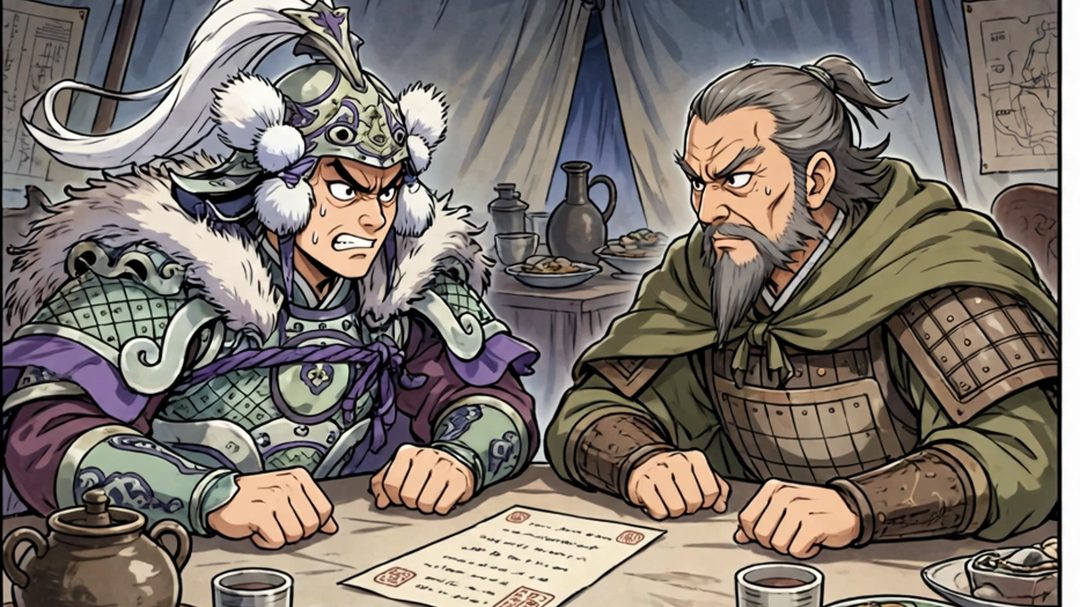
In time, before the Battle of Guandu, Yuan Shao came seeking Zhang Xiu as an ally. The envoy even brought a letter for Jia Xu. Before Zhang Xiu, Jia Xu spoke out to that envoy. Go back and tell Yuan Benchu: how can a man who cannot even accommodate his own brothers accommodate the scholars of the realm? he said.
Zhang Xiu was astonished, and asked where, then, they should turn. Jia Xu's answer was: to Cao Cao. Yuan Shao is strong, and Cao Cao is weak. Moreover, Zhang Xiu is an opponent who has fought Cao Cao. Even so, Jia Xu raised three reasons for attaching themselves to Cao Cao. First, that Cao Cao supports the Son of Heaven and issues orders to the realm.
Second, that Yuan Shao, being strong, does not value a small number of allies, while Cao Cao, being weak, will be glad to gain them. Third, that one who holds the ambition of a hegemon-king will discard private grudges and seek to show his virtue to the realm. It was his reading that, for that very reason, a former enemy would be welcomed all the more carefully. Zhang Xiu followed, raised his army, and surrendered to Cao Cao.
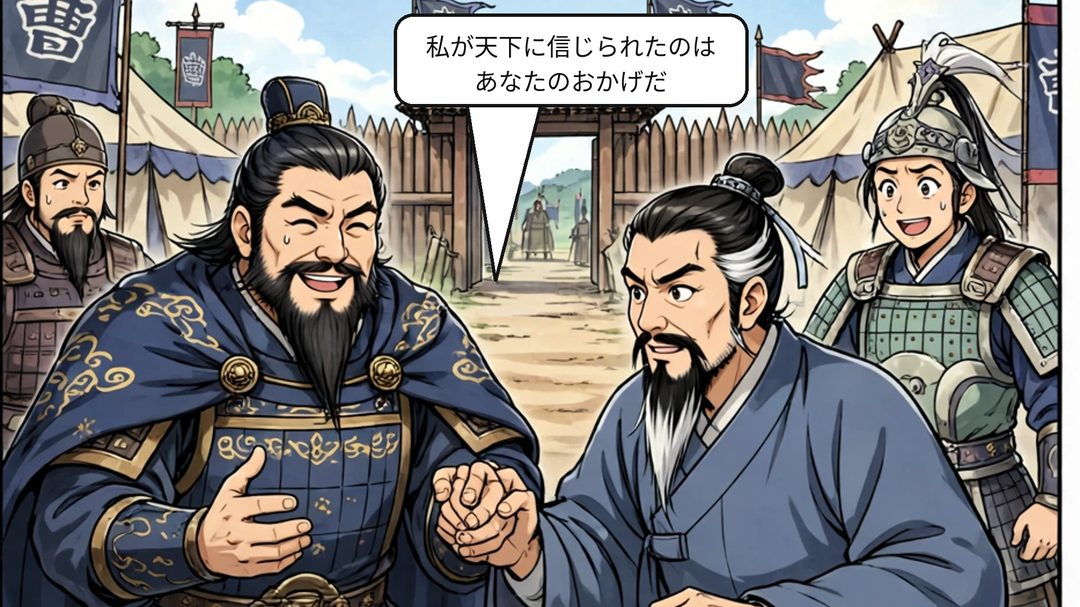
Cao Cao was greatly pleased. Cao Cao is said to have taken Jia Xu's hand and said: the one who made me trusted by the realm is you. In this way, Jia Xu was welcomed, at a high rank, into the camp that should have been that of a hated enemy.
The Four Grounds for Victory at Guandu
At the Battle of Guandu, Jia Xu accompanied Cao Cao as a member of his staff. It was when they were surrounded by Yuan Shao's great army and Cao's army's provisions were about to run out. Cao Cao asked Jia Xu where the plan lay. Jia Xu's answer was four grounds for victory.
Jia XuYou surpass Yuan Shao in clear discernment, surpass him in courage, surpass him in the use of men, and surpass him in decisiveness.
With these four, that it has not been settled after half a year is because you seek too much to be perfectly secure. If you decide, it will be settled at once, he said. Cao Cao decided on those words, gathered his soldiers, and attacked and broke Yuan Shao's camp. The victory and defeat at Guandu begin to tilt from here.
Only Drive a Wedge Between Them
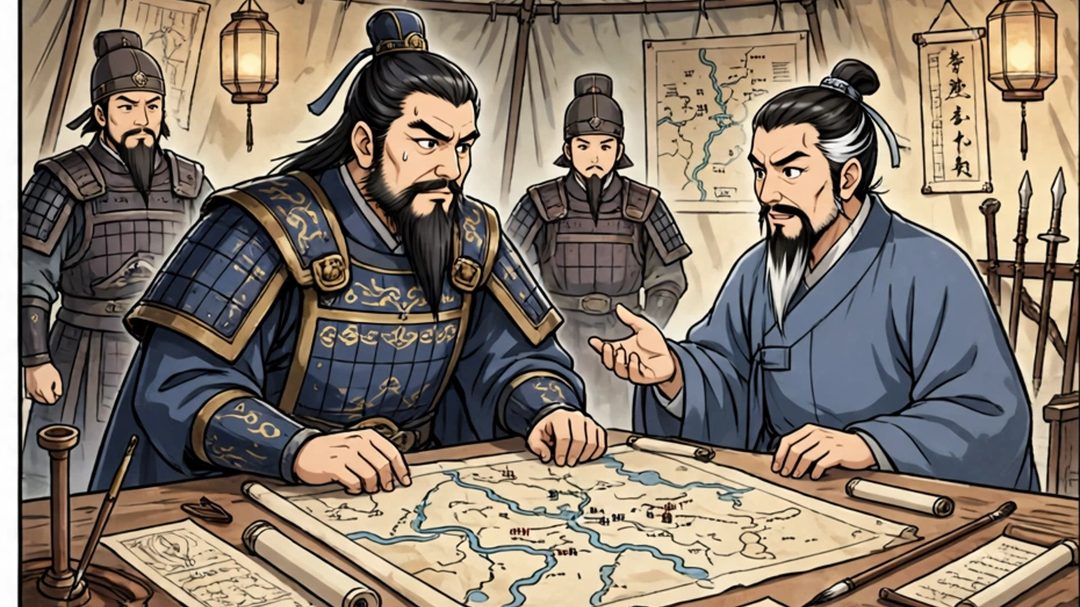
After that too, Jia Xu's counsels continued to be used at key points. But his words were always short. It was when Ma Chao and Han Sui raised soldiers west of Tong Pass and sought a settlement, offering to cede land. Jia Xu answered that they should first pretend to grant it. And when asked for the plan, his answer was a few characters.
Jia XuOnly drive a wedge between them.
Cao Cao answered only: understood. By this single plan, Ma Chao and Han Sui came to suspect each other, and in time were badly defeated. The official history records that this plan was originally Jia Xu's proposal.
The Succession and Silence
In Cao Cao's later years, a struggle over the succession arose. Which of his eldest son Cao Pi and the highly famed Cao Zhi should be made crown prince? Cao Pi sent a man to ask Jia Xu how to protect himself. Jia Xu's answer was nothing like a stratagem. Widely revere virtue, take on the conduct of a plain scholar, exert yourself morning and evening, and do not turn your back on the way of a son.
Jia XuThat is all.
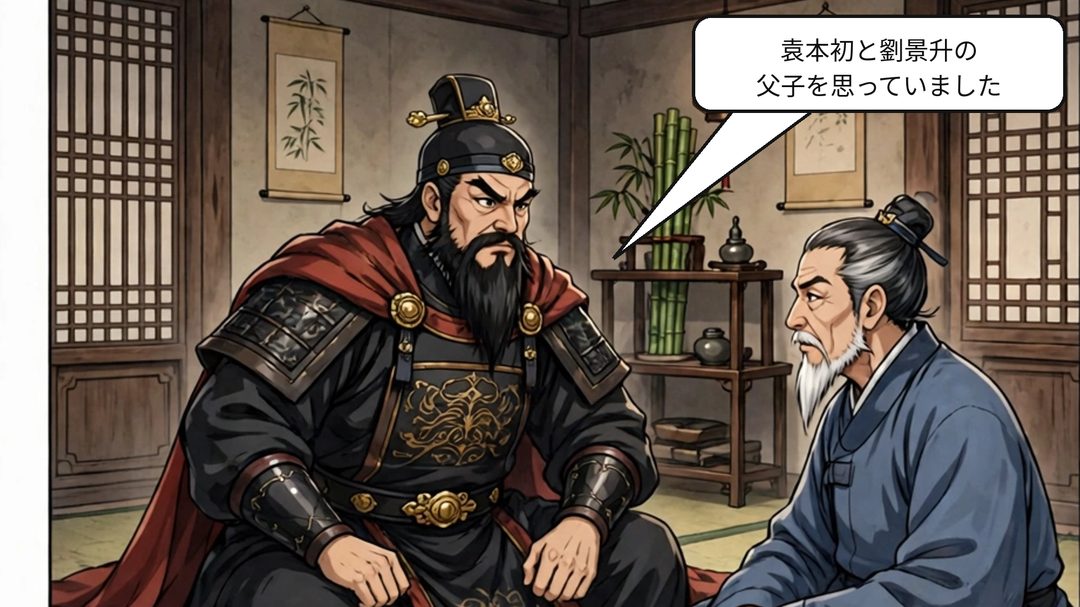
Cao Pi conducted himself exactly so. One day, Cao Cao cleared the room and asked only Jia Xu about the succession. But Jia Xu remained silent and did not answer. When Cao Cao pressed him, asking why he did not answer, Jia Xu said:
Jia XuI was thinking.
Asked what he had been thinking about, Jia Xu answered:
Jia XuI was thinking of the fathers and sons of Yuan Benchu and Liu Jingsheng.
Both Yuan Shao and Liu Biao were men who shook their states by how they chose their heirs. Cao Cao laughed loudly, and it is related that the crown prince was settled on the spot. He says nothing directly. And yet he conveys everything to Cao Cao. This is the scene in which Jia Xu's way of using words appears at its best.
Closing the Gate
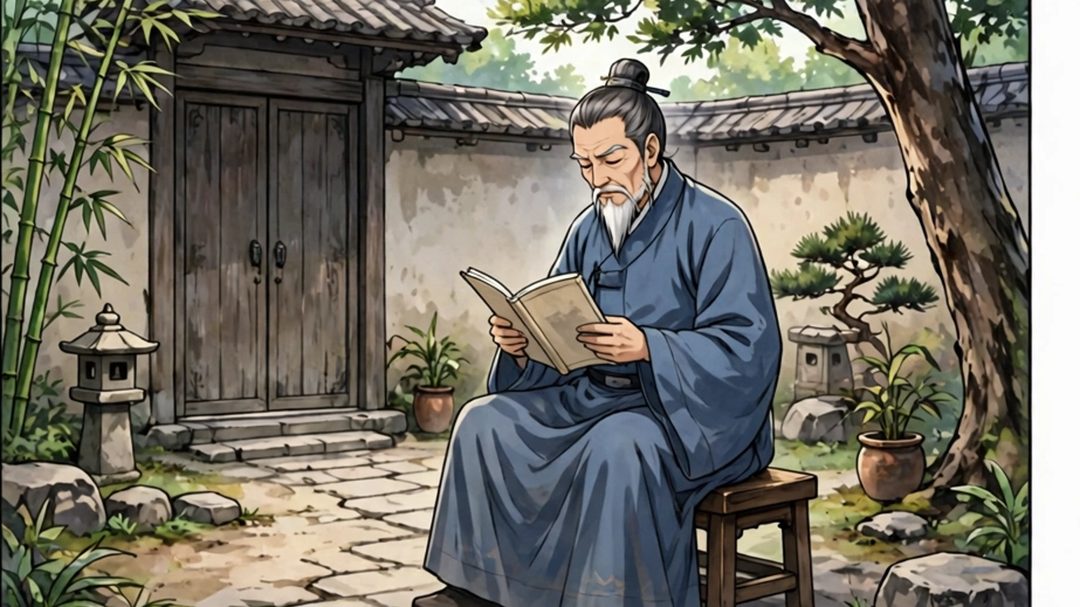
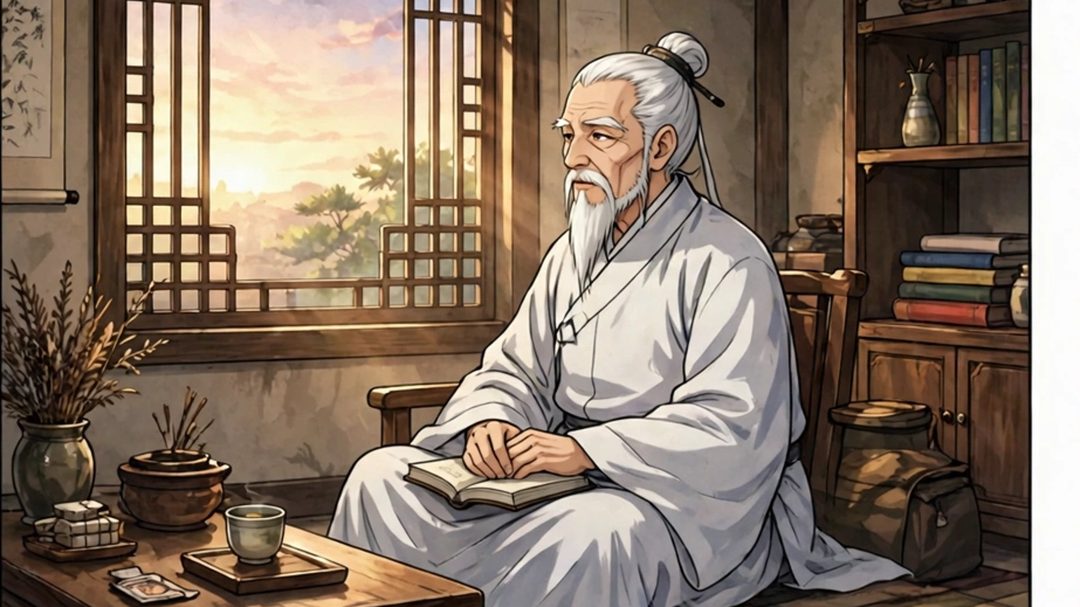
From around this time, Jia Xu thoroughly took up an inconspicuous way of living. He was not an old retainer of Cao Cao's. Moreover, his stratagems ran deep. He was aware that his was a position easily suspected. He closed the gate of his house and protected himself, and after retiring, he held no private social ties. Even in his children's marriages, he did not join with houses of high status.
It was a way of choosing exactly opposite to a life that boasts of power. And yet, the official history records that the esteem of those who discussed wisdom and stratagems gathered naturally upon Jia Xu.
His Later Years, to Seventy-Seven
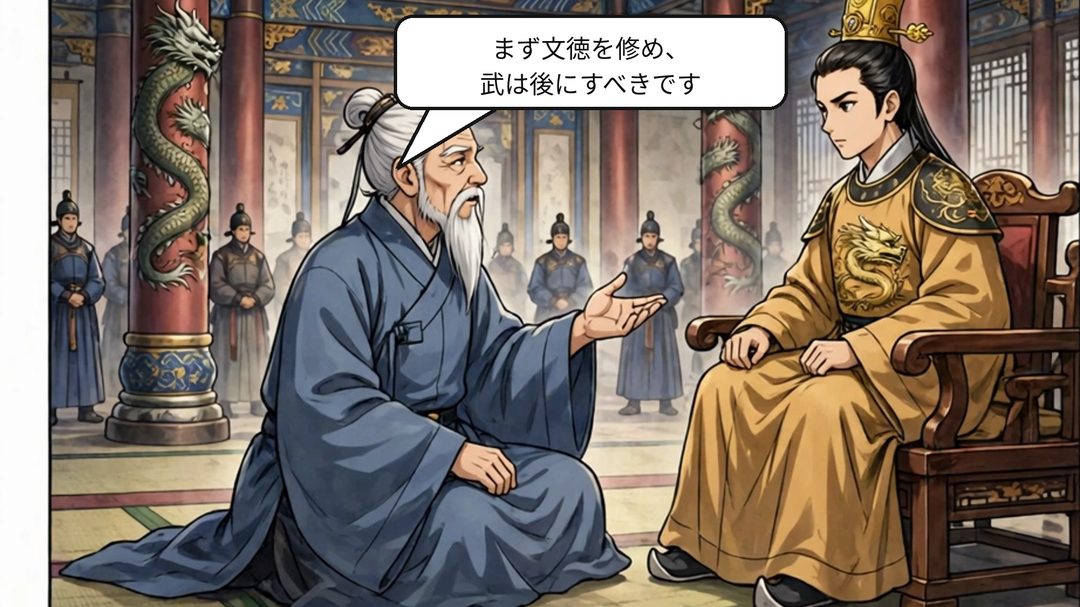
When Cao Cao died and Cao Pi took the imperial throne, Jia Xu became Grand Commandant. It is one of the Three Dukes, the rank at the summit of military administration. A story is also related that Sun Quan of Wu laughed at this appointment. Even so, Jia Xu seems to have neither grown proud of the rank nor offered excuses. It was when Cao Pi asked whether Wu or Shu should be attacked first.
Jia Xu's answer was neither. To capture by attack, the strength of soldiers is needed, but to found a state, the civilizing influence of virtue is what is precious. If you first govern by civil virtue and wait for the opponent to change, pacification will not be difficult. Both Wu and Shu have men who are prepared. Among your ministers, there is no one who can be their match.
For now, you should first cultivate the civil, and put the military after, he said. Cao Pi did not use this answer, marched on Jiangling, and lost many soldiers. And around the same time, Jia Xu's end drew near. Jia Xu died at seventy-seven years of age. His posthumous name was Marquis Su. The man who, in his youth, kept his life connected by a single lie closed his life quietly at last, in the rank of one of the Three Dukes.
The Official History and the Romance
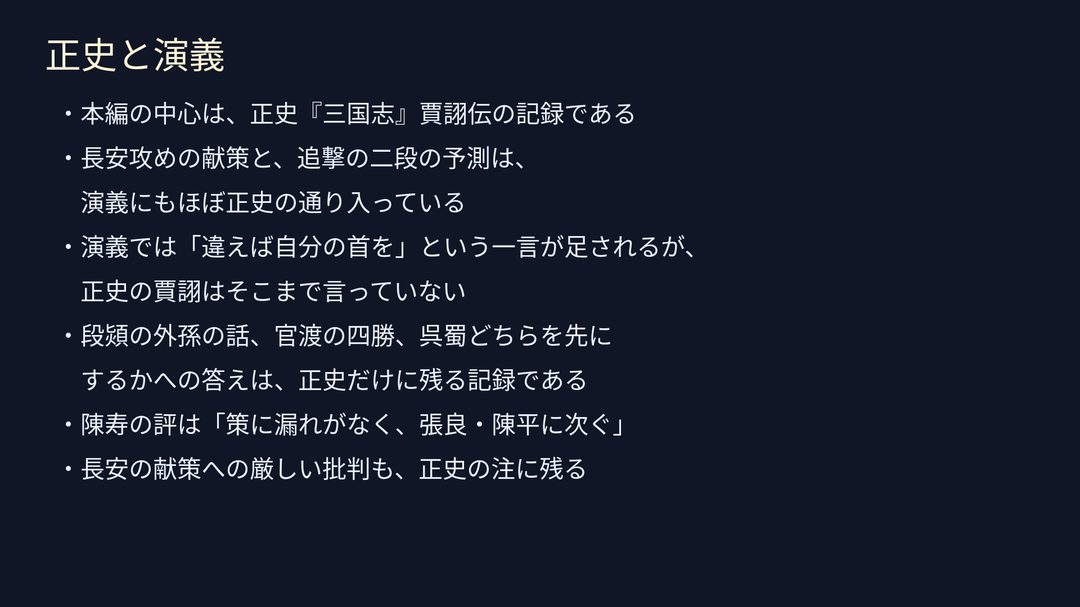
Here, let us make the difference between the official history and the Romance clear. This main feature was constructed around the Biography of Jia Xu in Records of the Three Kingdoms, the official history. The Romance also includes the counsel to attack Chang'an and the two-stage prediction of "do not pursue, pursue." They are scenes almost exactly as in the official history. However, in the Romance, in the scene where pursuing again will bring victory, a dramatic line is added: that if wrong, he will offer up his own head.
The Jia Xu of the official history never went that far. On the other hand, the story of the grandson of Duan Jiong in his youth, the four grounds for victory at Guandu, and the answer to whether Wu or Shu should come first are records that are not in the Romance and remain only in the official history. At the end of the Biography of Jia Xu, the historian Chen Shou appraises him this way: Xun You and Jia Xu had almost no gaps in their stratagems, and exhausted every change in response to circumstance.
They are the ones who rank next after Zhang Liang and Chen Ping, he says. They were placed in the seat next after the two great strategists who made the Han realm. However, the words of Pei Songzhi, quoted in the annotations to the official history, also severely point out that the counsel toward Chang'an prolonged the disorder of the realm. Jia Xu's record remains, in the same book, as both a record that praises and a record that blames.
Conclusion
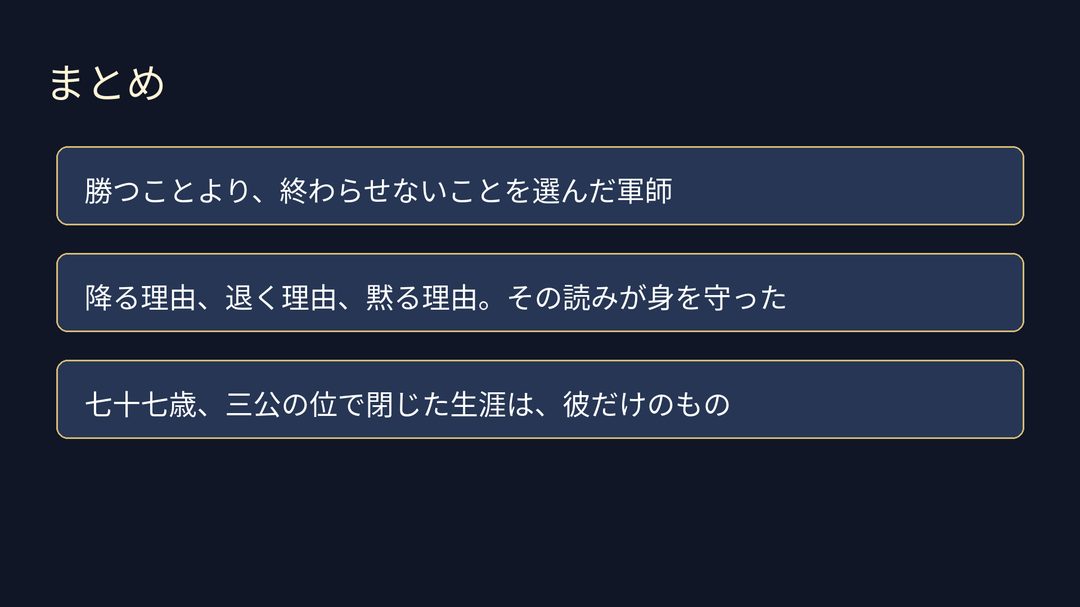
What runs through Jia Xu's life was not winning, but not letting things end. Each time his lord fell, Jia Xu read the next move. Reasons to surrender, reasons to withdraw, reasons to stay silent. Those readings kept protecting himself and his family. His way of living in his later years, closing his gate, is a continuation of the same reading.
To place himself where he would not be suspected was, for him, one of his stratagems as well. Opinions remain divided. Was he the author of the single words that threw the realm into disorder, or a wise man who lived through a chaotic age? One thing alone is certain: in an age when everyone fell, the only strategist who lived to seventy-seven and ended his life at the summit of rank is this man.
Sources and Basis
Source material
The core is the Biography of Jia Xu in Volume 10 of the official history Records of the Three Kingdoms, "The Biographies of Xun Yu, Xun You, and Jia Xu," checked against the full text included in Wikisource. Pei Songzhi's annotations (quotations from the Xiandi Ji and the Weilüe) were handled with the main text and the annotations distinguished. In the Romance, Jia Xu's scenes in Chapter 10 and Chapter 16 to Chapter 18 were also checked.
Distinguishing the Romance from the official history
This article is built on the official history as its axis, and the Romance's depictions are written so as to be recognizable as such each time. The point that Pei Songzhi severely criticizes Jia Xu within his annotations ("this was Jia Xu's crime") is also introduced together.